Get the latest food, drinks and things to do news directly to your inbox. Subscribe Now
At Abaita, chef Davide Donagrandi gives us what we want. At Libbi, he gives us what we need.

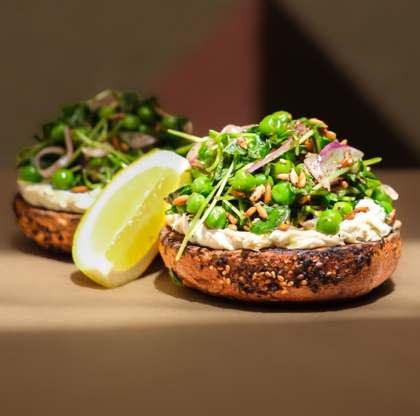
A homemade knäckebröd-style crisp bread, a seemingly classic margherita pizza topped with intensely savory dried shiitake mushrooms, a build-it-yourself BBQ halibut taco served with Korean daikon: these aren’t the kinds of dishes kosher palates are used to. Perhaps, with the opening of Libbi at 205 East 81st Street on Manhattan’s Upper East Side, that will finally change.
At this dairy restaurant from the team behind wildly popular Abaita in midtown Manhattan, diners are asked to forget what a kosher meal usually feels and tastes like and to remember that good food is good food, no matter the dietary restrictions we subscribe to. We’ll go one step further and say it: New York’s kosher dining scene is inching closer to the kind of recognition typically reserved for Michelin inspectors.
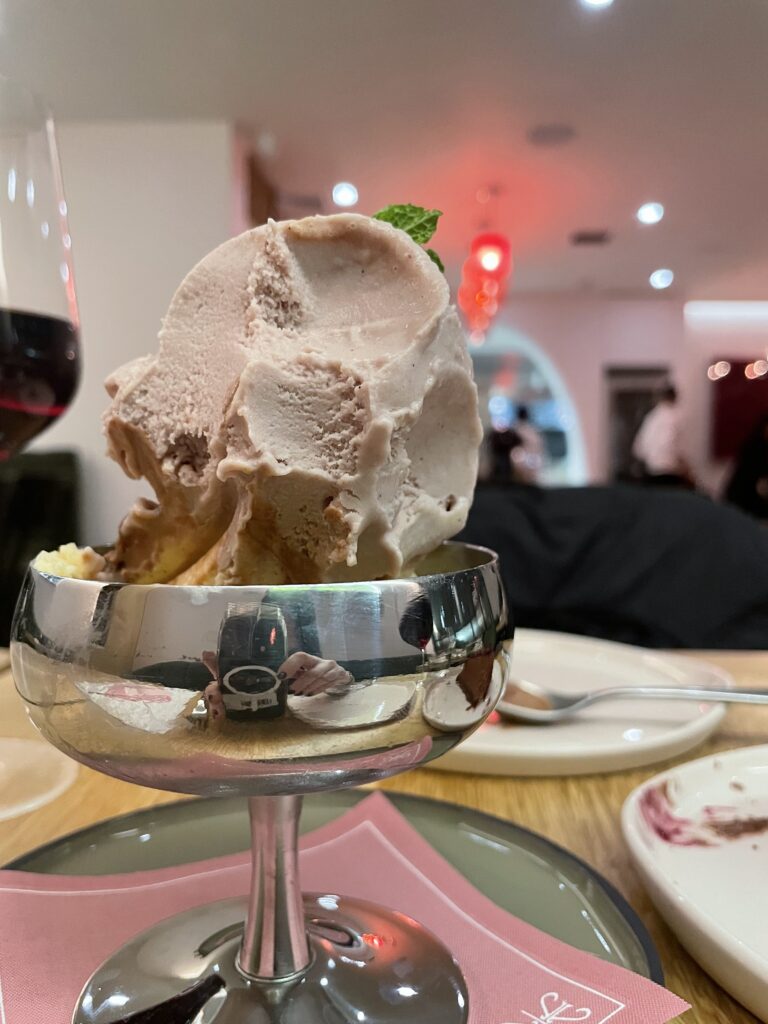
The ambiance and the food at Libbi are superb, easily in the running for one of the best restaurants in NYC, period. Certain dishes, in particular, feel worthy of Michelin-level consideration: from the cracker that opens the meal with whipped labane to the perfectly dressed kohlrabi salad and the astounding pomegranate gelato (which, spoiler alert, will soon be sold separately as a packaged item), there’s a clear sense of intention and finesse throughout.
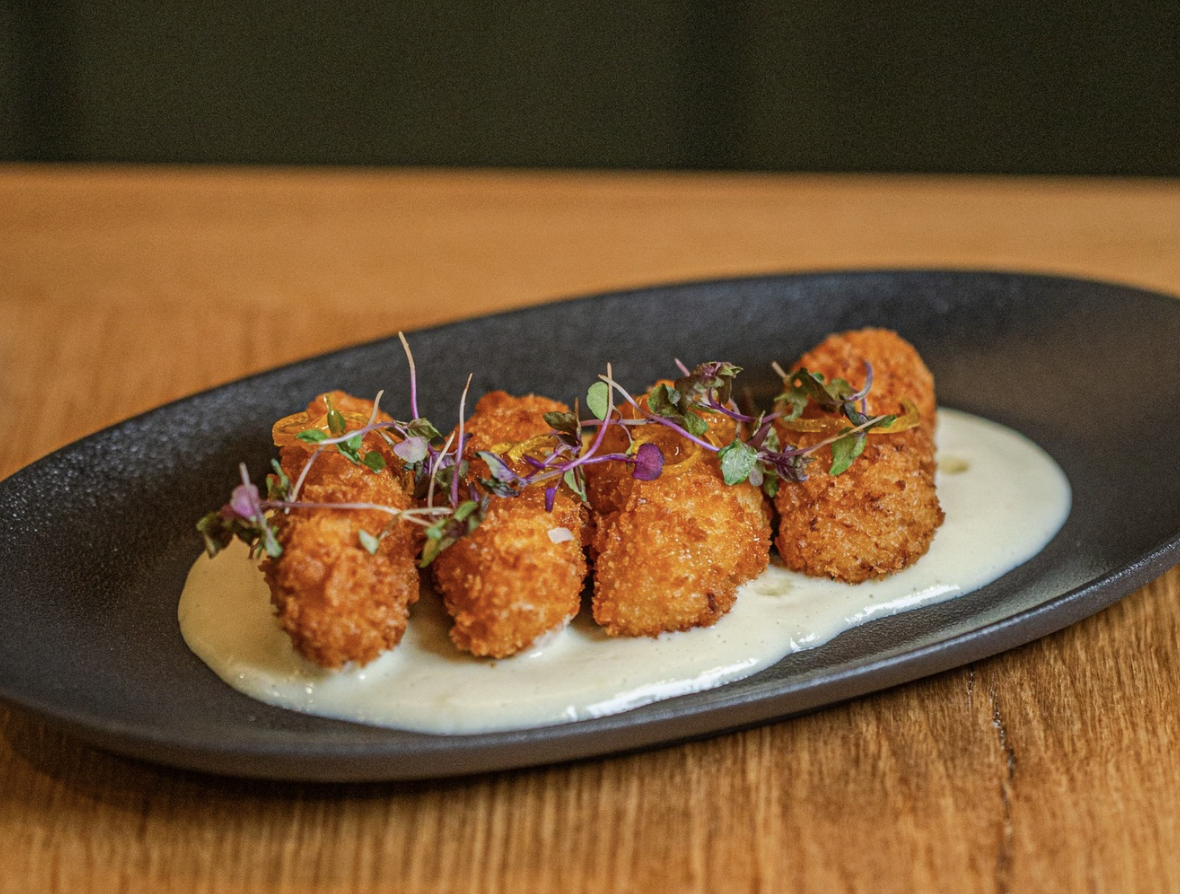
While the remainder of the menu skews more traditional within the broader New York restaurant landscape—though still refreshingly inventive by Manhattan kosher standards—it, too, deserves praise. The deconstructed BBQ dish wouldn’t feel out of place at Nobu, the Robert De Niro-backed global institution, for example, and the spicy tomato pizza is no less compelling than what you’ll find at L’Industrie, often considered the gold standard for non-kosher pizza in the city.
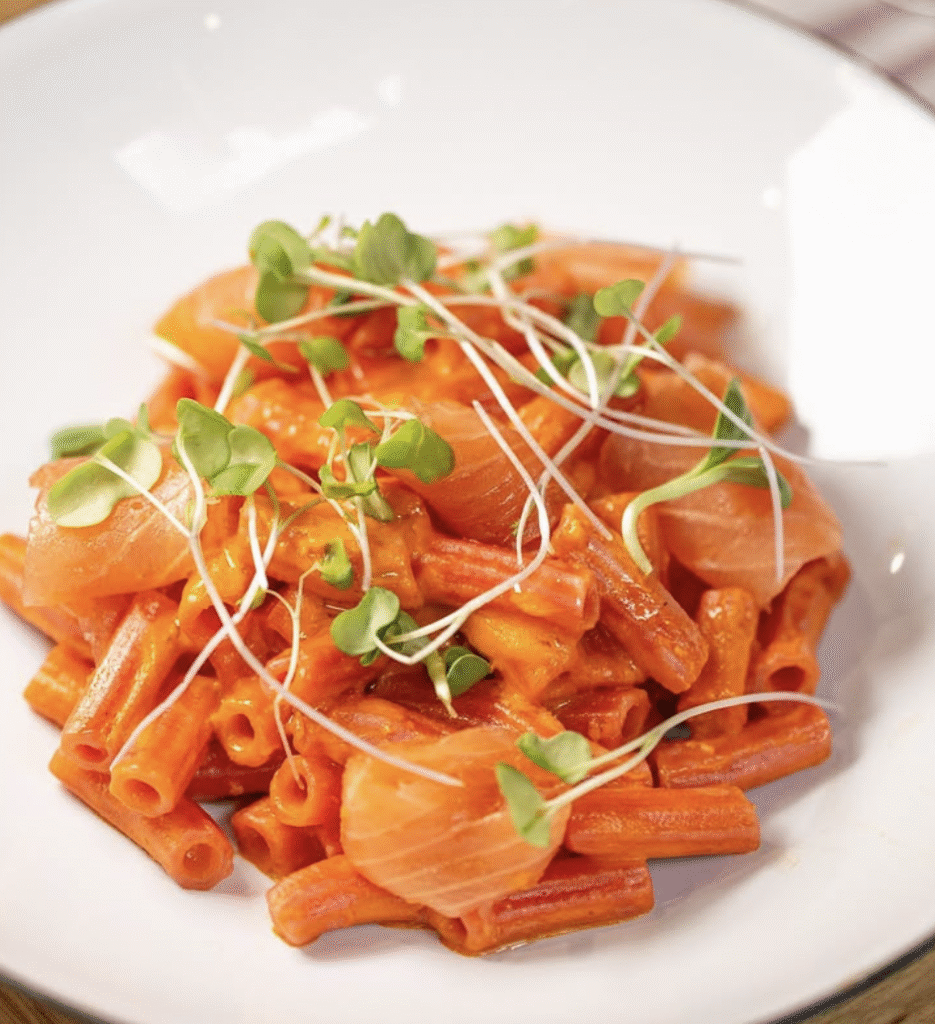
Chef Davide Donagrandi is clearly no stranger to New York palates. When he opened Abaita in 2018, the crowds followed immediately, and the restaurant remains packed for lunch and dinner nearly every day. That same attention to detail is evident at Libbi, but the philosophy shifts. At Abaita, the chef carefully presents us with dishes that read familiar on the menu— pizza, pasta, salmon—and arrive tasting like the best possible versions of themselves. At Libbi, he tells us that there is so much more to that food world, even if we’re kosher. Things get culinarily weird, in the best way.
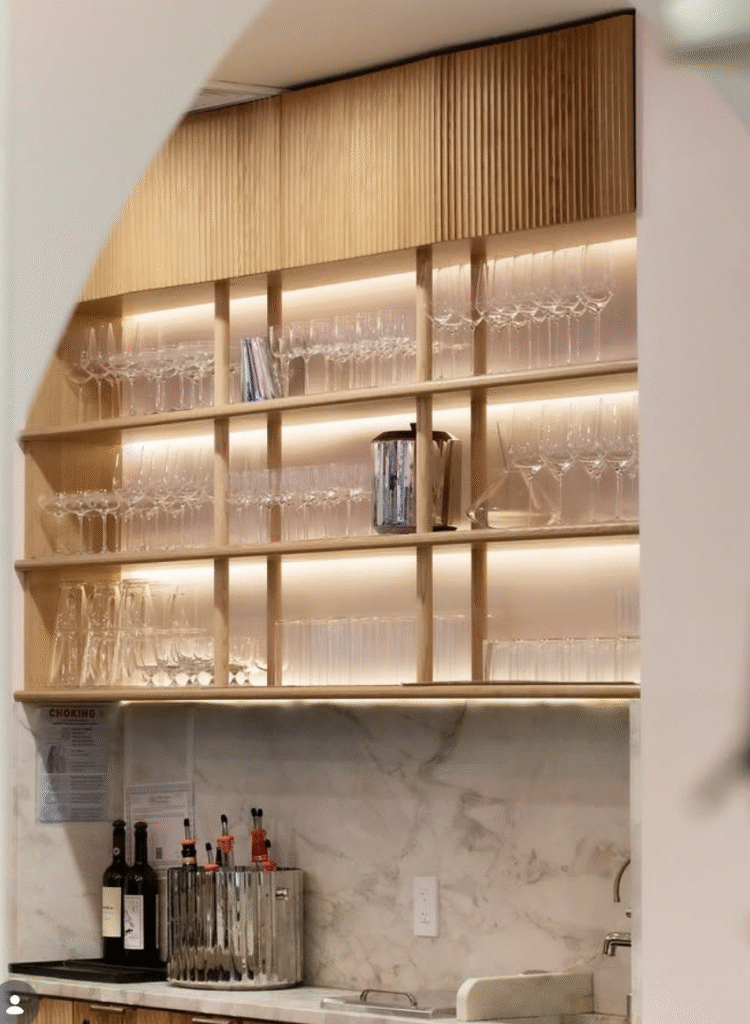
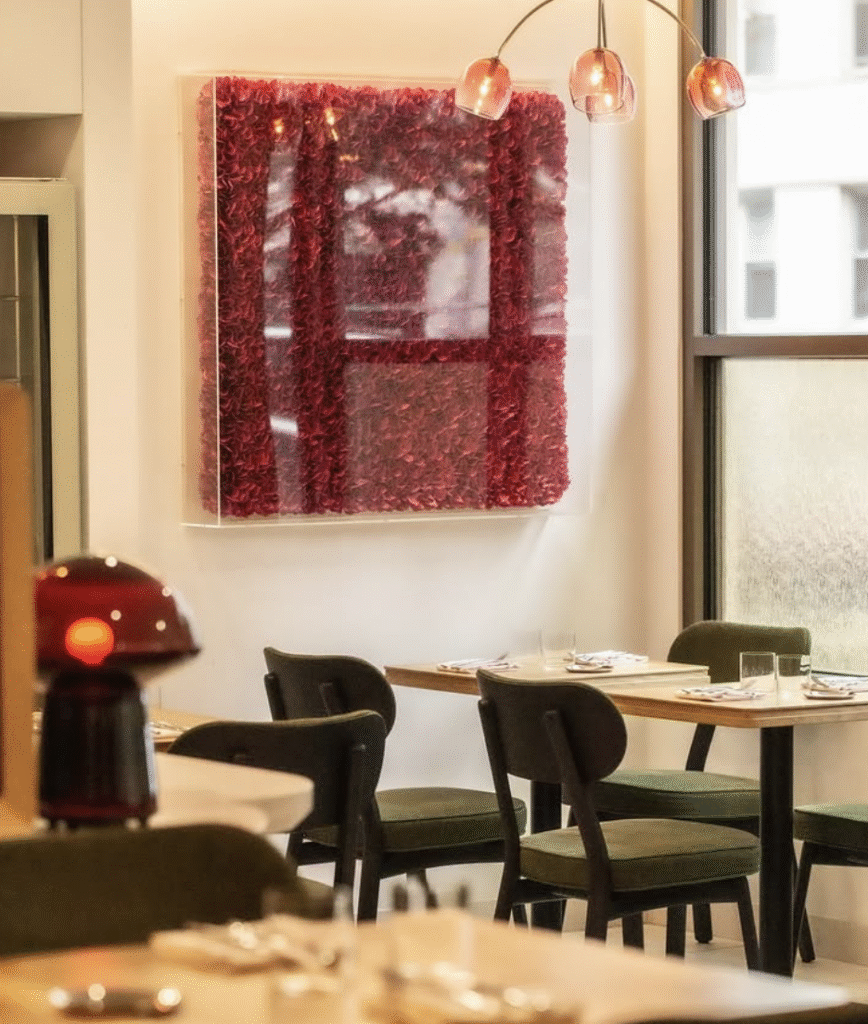
Dining at Libbi feels like a journey, one grounded in a beautifully intimate space defined by green banquettes, warm wood tones and a noticeable absence of the sensory overload so many kosher restaurants lean into. A small bar near the entrance pours relatively safe but well-chosen wines and cocktails, and the room hums rather than shouts.
Of course, there’s always room for refinement. A more adventurous wine list—one that mirrors the creativity of the food—would elevate the experience even further (this writer has a few ideas, chef). The pasta could also benefit from a touch more salt. But even these minor imperfections, if you want to call them that, make Libbi feel more grounded in reality.
Let’s put it simply: this is a very good restaurant.