Get the latest food, drinks and things to do news directly to your inbox. Subscribe Now
The Other Israel Film Festival turns 20 at JCC Manhattan with a new name

The opening film at this year’s Other Israel Film Festival takes place in Berlin, mostly in a car. In Assaf Machnes’s Where To?, a Palestinian Uber driver strikes up a relationship with an Israeli passenger. The film, which premiered at the Berlinale, makes its New York debut today at the Marlene Meyerson JCC Manhattan. It opens the festival’s 20th edition, which runs through November 12 and marks the start of a transition to a new name, New Perspectives Film Festival.
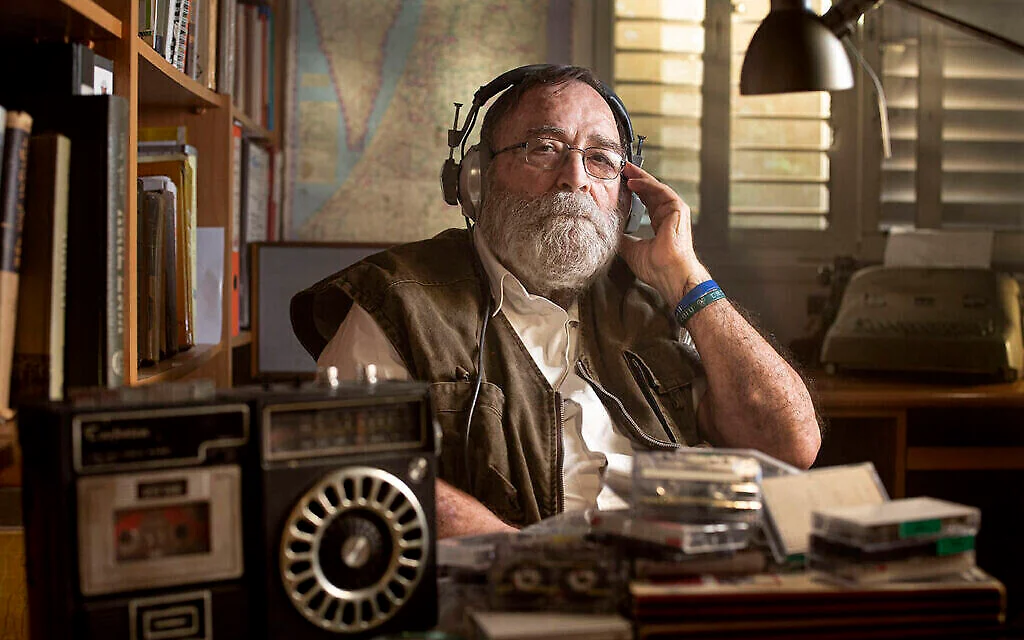
The JCC has spent years putting Palestinian stories on screen, a choice that has drawn criticism over who gets invited and what it means for a Palestinian filmmaker to accept. This year, Bissan Tibi’s One Street in Silwan looks at Arab life in East Jerusalem and Over and Out follows an Israeli tank commander who starts a podcast over his military radio. Both films will screen in the same building on Amsterdam Avenue, where the question of whose stories belong at a Jewish film festival has been argued over almost since Other Israel began.
In 2009, for example, Artists 4 Israel, a pro-Israel group, took issue with the program’s decision to invite director Mohammed Bakri. The group specifically objected to Bakri’s earlier documentary Jenin, Jenin, about the 2002 battle in the West Bank city. The film Bakri was due to present at the JCC was Zahara, a documentary about his aunt. Festival organizers told the Jewish Telegraphic Agency they had reservations about Jenin, Jenin but stood by their invitation.
Then, in 2021, the Palestinian feature 200 Meters drew criticism in Arab media on the grounds that screening at the festival amounted to normalization with Israel. The film stayed in the program, but its director, Ameen Nayfeh, did not attend, according to journalist Husam Sam Asi, who spoke with the film’s producer and festival director Isaac Zablocki. In that case, the argument was about the venue and what participation implied.
Other films have brought an existing dispute to the JCC. The 2022 festival opened with Tantura, Israeli filmmaker Alon Schwarz’s documentary about allegations that Israeli soldiers massacred Palestinians in the village in 1948. By the time it reached the Upper West Side, the film’s Sundance premiere had already prompted calls to excavate a possible mass grave. The JCC made that film its opener, putting a disputed episode in Israeli history at the center of the festival’s first night.
This year, the opening-night encounter happens outside Israel, between two people who meet because one of them needs a ride. At the JCC, putting Israeli and Palestinian stories on the same program has clearly been an editorial choice for years, one that asks something of the institution extending the invitation, the filmmakers deciding whether to accept it and potential audience members willing to attend the screenings.