Get the latest food, drinks and things to do news directly to your inbox. Subscribe Now
What New Yorkers are drinking: 7 kosher wines worth knowing about

The difference between a $13 bottle of kosher wine and a $330 one is approximately $317, although what prompts someone to spend the extra money is a more interesting question.
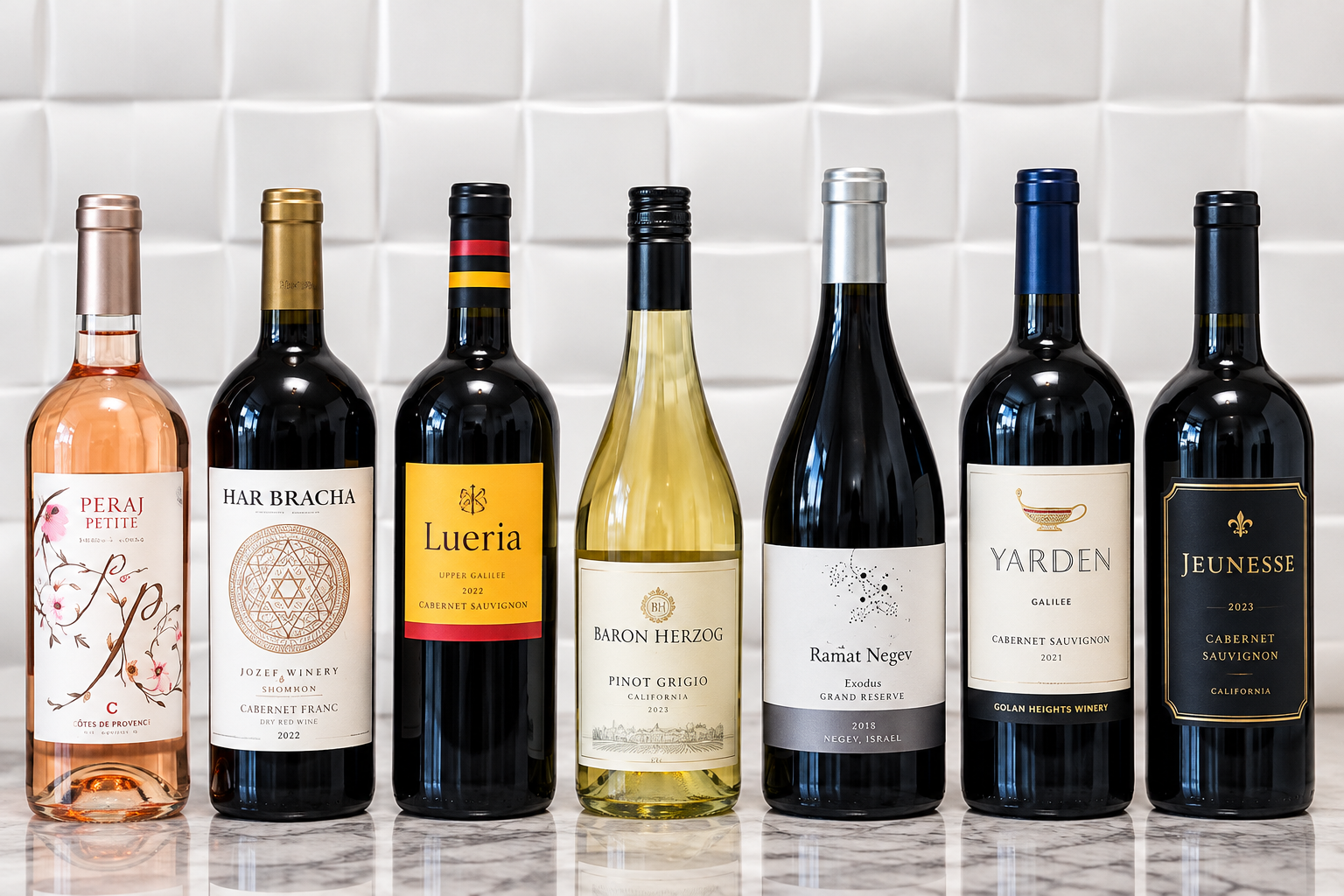
At Kosher Wine Warehouse, a Florida-based retailer that ships to New York, the answer appears to have something to do with the occasion. The company shared seven of its most popular bottles among New York customers with Pretty Kosher, along with the purchasing habits it has observed. The selection spans California, Israel and France, with prices that suggest New Yorkers have very different expectations of the wine they’re opening on an ordinary Friday night and the bottle they’re bringing to a particularly important dinner.
The least expensive wine on the list is Jeunesse Cabernet Sauvignon Semi-Sweet ($12.99), a California red that the retailer says is especially popular with customers on the Upper West Side, in Brooklyn and in the suburbs. Its appeal is relatively straightforward: it’s soft, slightly sweet and, according to the retailer, sufficiently approachable to please a table full of people with different preferences. That makes it a recurring Shabbat and holiday purchase.
For white wine drinkers, there’s Baron Herzog Pinot Grigio ($14.99), another regular Friday night order. The California wine is typically served chilled, often alongside fish, and its mevushal status makes it a practical choice for catered meals where that designation matters.
Then there’s the Hamptons effect.
Whispering Angel Rosé, kosher edition ($32.99), is among the retailer’s seasonal favorites, with demand concentrated between May and September. The appeal, according to Kosher Wine Warehouse, is partly familiarity: whispering Angel has become a recognizable name in summer rosé and its kosher offering allows observant customers to participate in a wine trend that extends well beyond the kosher market.
The list becomes more interesting as the prices climb.
At $39.99, Har Bracha Jozef Cabernet Franc represents a different sort of purchase. Produced by a boutique winery in the Shomron region of Israel, the French-oak-aged red appeals, the retailer says, to New Yorkers who ordinarily gravitate toward French wines. Its relative obscurity is part of the attraction: customers discover a producer they might otherwise have overlooked.
Lueria Cabernet Sauvignon ($45.99), from a family winery in Israel’s Galilee, occupies the next price bracket. Kosher Wine Warehouse describes it as a repeat purchase among customers who believe they’re getting a more expensive-tasting wine than the price suggests. That’s the retailer’s assessment, of course, rather than a tasting judgment from Pretty Kosher, but the reported repeat orders are noteworthy.
More familiar is Yarden Cabernet Sauvignon ($59.99) from Golan Heights Winery. According to the retailer, it’s a frequent choice for customers bringing wine to a Shabbat meal or dinner party, particularly when they want a bottle that feels like a substantial gift.
And then there’s Ramat Negev Exodus Grand Reserve ($329.99), which sits in a different category altogether.
The Israeli winery’s 2018 Exodus Grand Reserve received 97 points and a Platinum medal at the 2024 Decanter World Wine Awards, an achievement that gives the bottle a compelling distinction beyond its price. Produced in the Negev, it also challenges the conventional image of where ambitious wines can originate.
For Kosher Wine Warehouse, the combination of the award and the winery’s desert location has made it a conversation piece among customers willing to spend considerably more.
What emerges is a portrait of a kosher wine market with room for both the reliably inexpensive and the unapologetically extravagant. The more interesting development may be that a $330 Israeli wine no longer seems entirely out of place in the conversation.