Get the latest food, drinks and things to do news directly to your inbox. Subscribe Now
Brooklyn is getting a two-day festival of new Jewish art

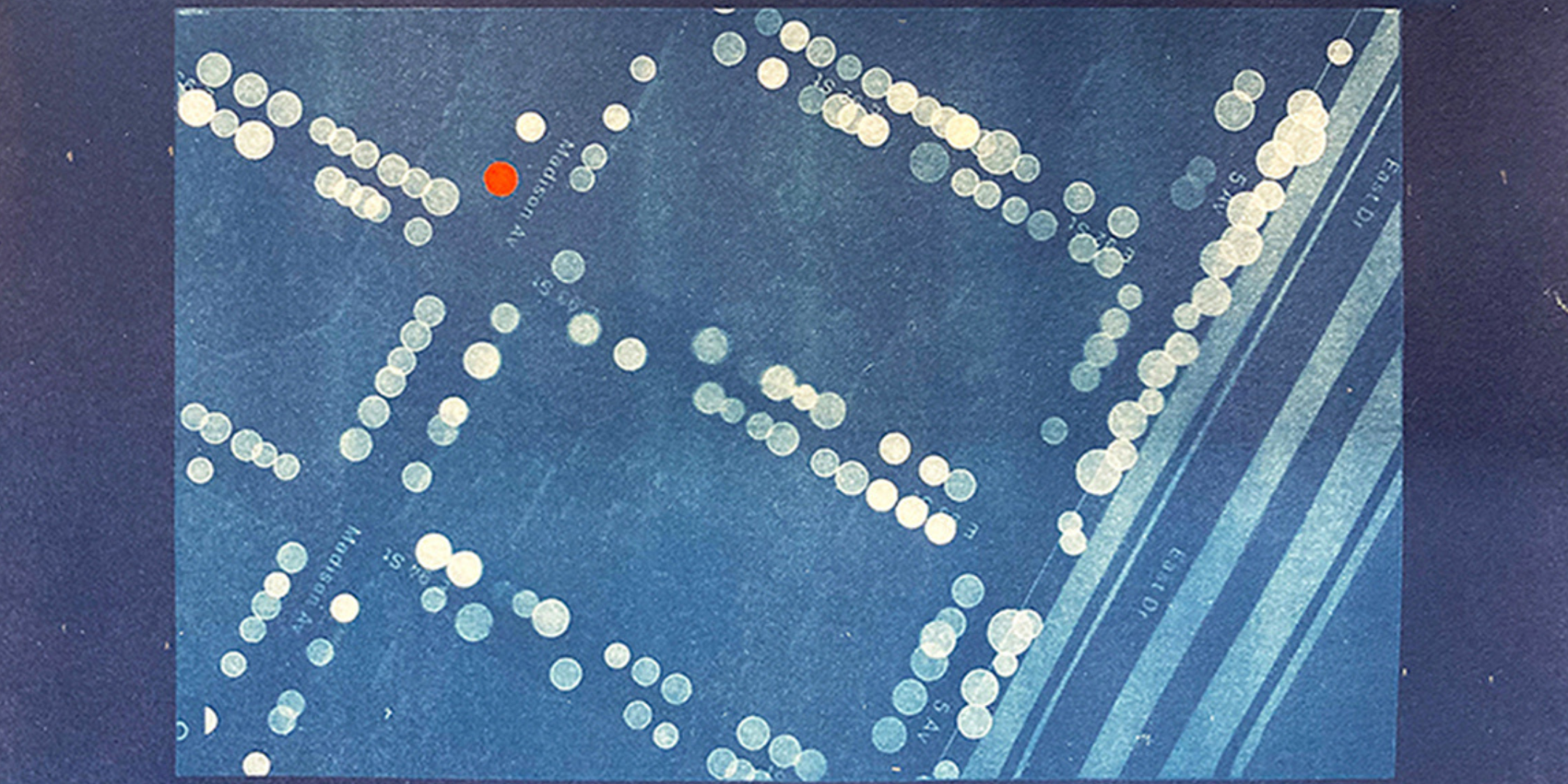
Maya Ojalvo Oren’s Turkish grandparents gathered for coffee every afternoon at 4pm, after their siesta. This November, that family custom becomes a participatory artwork in Williamsburg, where visitors will be invited to sit down and contribute a few memories of their own.
Oren’s The Table as the Altar is part of Shifting Grounds: New Jewish Art Festival, coming to the Center for Performance Research at 361 Manhattan Avenue on November 14–15. Presented by The Neighborhood: An Urban Center for Jewish Life, the weekend includes a group exhibition and two evening performance programs, along with a Sunday morning workshop for families. It’s a chance to see what Jewish artists working in and around Brooklyn are making now, with inherited traditions supplying material for some decidedly contemporary experiments.
The exhibition, curated by Renana Neuman, brings together 15 artists from The Neighborhood’s interdisciplinary Artist Working Group. Its organizing question concerns how memories survive and change as they pass between generations. Works draw on family archives and inherited objects, considering how the things people keep can acquire different meanings over time. That premise leaves room for the domestic alongside the religious: an afternoon gathering can carry its own rules and significance.
During the opening reception on Saturday, November 14, Oren will serve coffee in teacups alongside cookies representing different Jewish culinary traditions (editor’s note: we do not know whether the offerings will be certified kosher). Visitors will be able to record their own family stories in a communal guest book.
Later that evening, the program takes a turn toward Jewish mythology. Eli Berman’s Litanies of Lilith, an electro puppet opera presented as a work in progress, follows Lilith’s transformation from Adam’s first wife into the primordial mother of demons. Berman wrote and composed the piece and will perform it using voice and wearable electronics, with Yiddish translations by Moishe Dolman. It’s a substantial change of register from afternoon coffee, which is part of the attraction of putting these works on the same bill.
The Saturday performances also include Ben Gassman’s The Board Minutes of Union Temple (1939–1947), a theatrical collaboration with Rachel Gita Karp and Lindsey Hope Pearlman centered on friction between two synagogue board members. Catherine Fisher’s Fresh Hell brings together poetry and dance with music by Ira Gamerman, who also presents a collection of short pieces.
For a quieter visit, the exhibition’s Sunday hours are 10am–7:30pm. That gives anyone who misses the opening, including readers keeping Shabbat, a full day to see the gallery, though Oren’s participatory performance is scheduled for Saturday’s reception.