Get the latest food, drinks and things to do news directly to your inbox. Subscribe Now
A New York Museum Talk Spotlights the Women Who Fought Back During the Holocaust

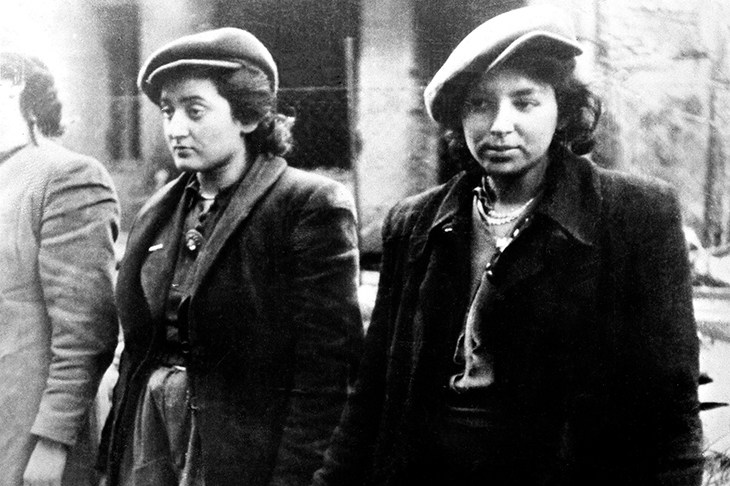
When we think of Holocaust resistance, we tend to picture armed uprisings, daring escapes and the occasional act of spectacular defiance. But what about the women who smuggled information out of concentration camps, kept forbidden cultural traditions alive or quietly organized networks that helped others survive? Their stories are at the center of Heroines of the Holocaust: Reframing Resistance and Courage in Genocide, a new collection that makes the case for a broader understanding of what it meant to fight back.
On December 13, co-editor Lori R. Weintrob will discuss the book at the Museum of Jewish Heritage in Battery Park City, alongside lawyer and historian Jonathan Goldberg. Published by Routledge and co-edited with Judith Tydor Baumel-Schwartz, the collection brings together scholars examining the many forms resistance took, including some whose own families were involved in the history they study.
The premise is compelling: not every act of resistance involved a weapon and not every heroine made it into the history books. Sometimes courage meant carrying a message, organizing a clandestine gathering or preserving a religious practice that the Nazis were determined to extinguish. These were hardly minor gestures. They required planning, cooperation and a willingness to risk one’s life for something beyond survival.
Weintrob, who serves as executive director of the Wagner College Holocaust Center on Staten Island, has helped connect Holocaust survivors with more than 35,000 young people of different faiths, according to the museum. The conversation will also explore how these histories are taught, and what happens when the stories students inherit leave out so many of the women who helped shape them.
The book also ventures beyond the Holocaust, examining women’s resistance during the Armenian and Rwandan genocides. It’s an ambitious scope, but one that raises a fascinating question: how many women have been written out of history simply because their courage didn’t look the way we’ve been taught to recognize it?