Get the latest food, drinks and things to do news directly to your inbox. Subscribe Now
Meet the 27-year-old New Yorker behind NYC’s most stylish challah subscription service

Tara Satnick, the 27-year-old New Yorker behind Braided, a subscription service that delivers fresh challah weekly to folks in NYC and the Hamptons, was in Israel on October 7.
“The day before, I was texting my friends about joining them at the Nova music festival,” she recounts. “At the last minute, my parents asked me not to go because we were on a family trip and they didn’t want me to leave them behind.”
By the next morning, the decision felt surreal. As news spread that Hamas militants had infiltrated southern Israel, attacking communities near the Gaza border and the Nova music festival, confusion quickly turned to horror. The festival grounds, where Satnick had almost been, became one of the epicenters of the violence.
Two of the boys who were supposed to be in her group were killed that day.
“It was one of those moments in my life that I didn’t know how to process,” says Satnick. “The feeling that it could been me and, at the same time, grieving for the country.”
In the days that followed, as Israel began its military response and images of devastation circulated worldwide, after traveling back to the United States by way of Dubai, Satnick noticed that the public conversation seemed to crystallize into slogans and counter-slogans, with many folks outside of Israel aligning themselves with the free Palestine camp.
“I was so frustrated,” she remembers. “I wanted to do something that mattered from my NYC apartment.”
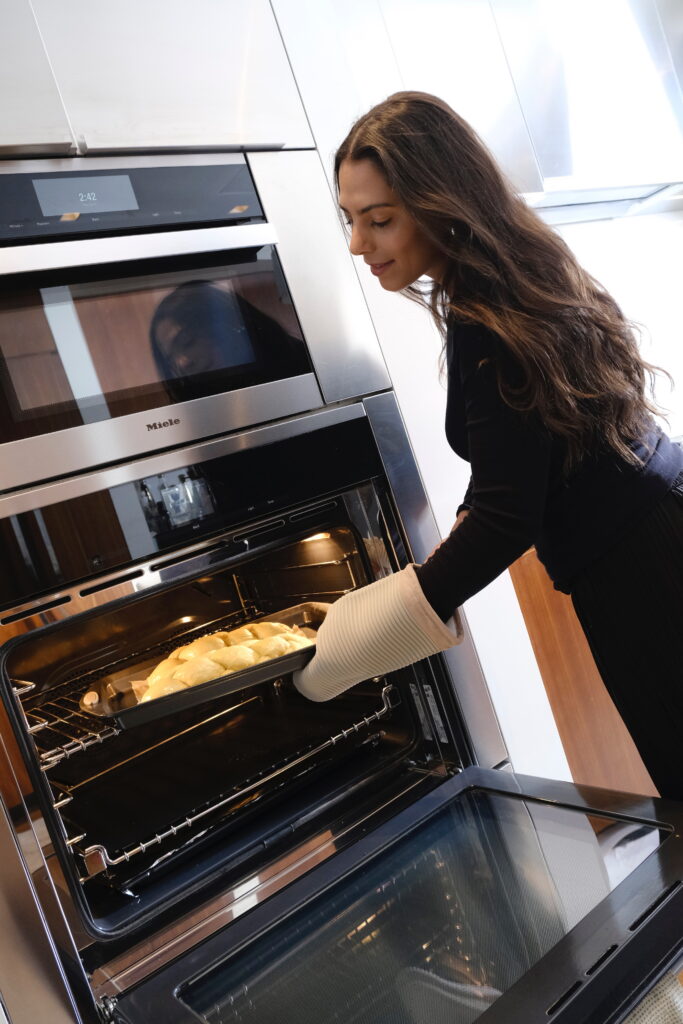
Looking for ways to raise money, Satnick landed on organizing a challah bake, with proceeds benefiting a charity supporting October 7 survivors. Not exactly known for her baking skills, she enlisted a few friends and pulled an all-nighter, turning out 80 loaves.
“We drove to my parents’ house in New Jersey and used four of their ovens at the same time,” she remembers. “The challah was definitely not good, but we raised a lot of money and were happy to be able to do something.”
Fast-forward to today: after five months of trial and error in the kitchen, testing countless recipes and ultimately landing on one made without seed oils, Satnick, who works full-time as a brand marketer, has transformed that impromptu fundraiser into Braided, a challah subscription service that recently marked its one-year anniversary.
“When I decided to make it a business, I wanted it to be something everyone could enjoy, so I pursued kosher certification,” she explains, noting that the Braided team now bakes out of the Chabad kitchen in the West Village under its kashrut supervision.
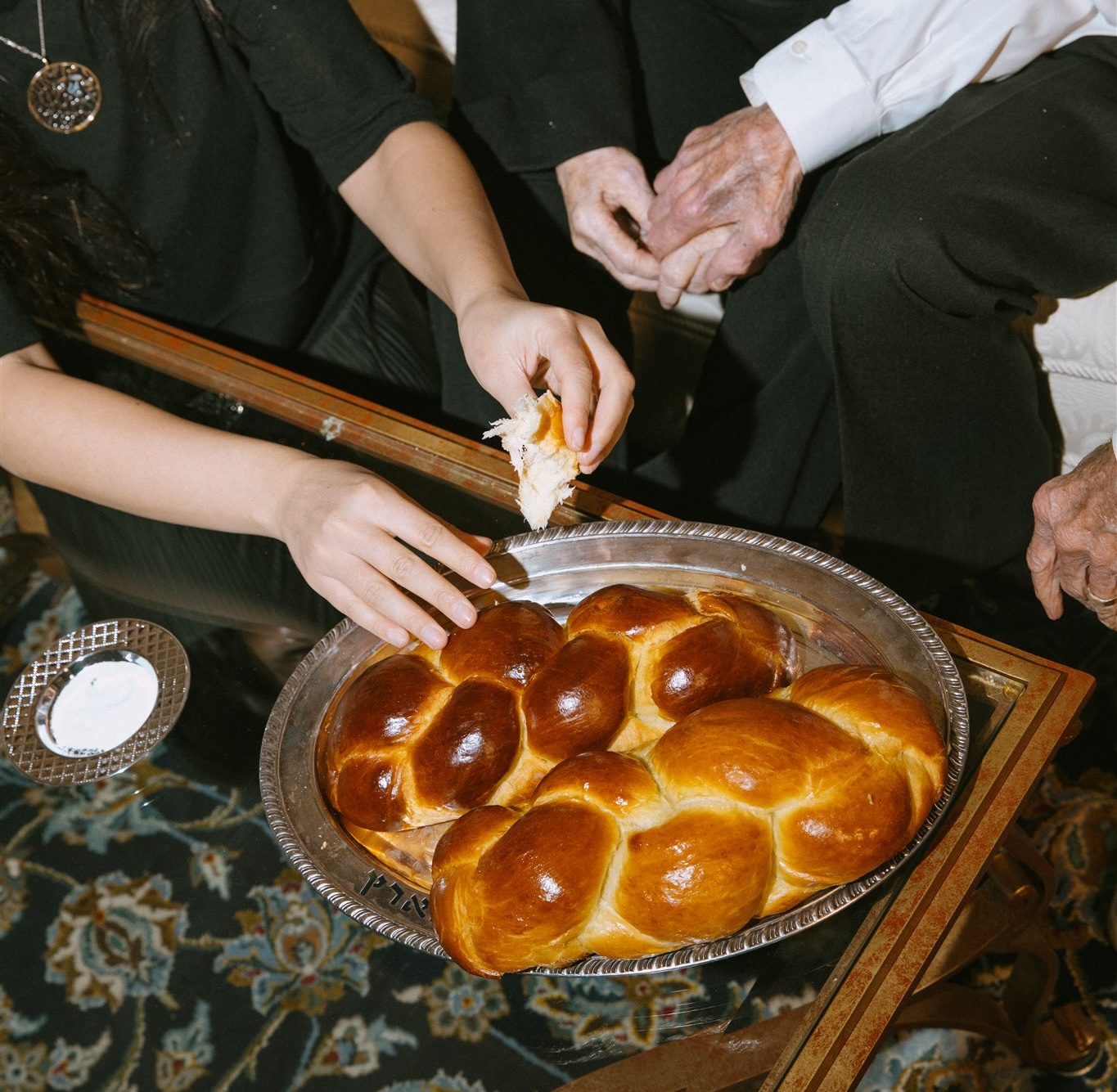
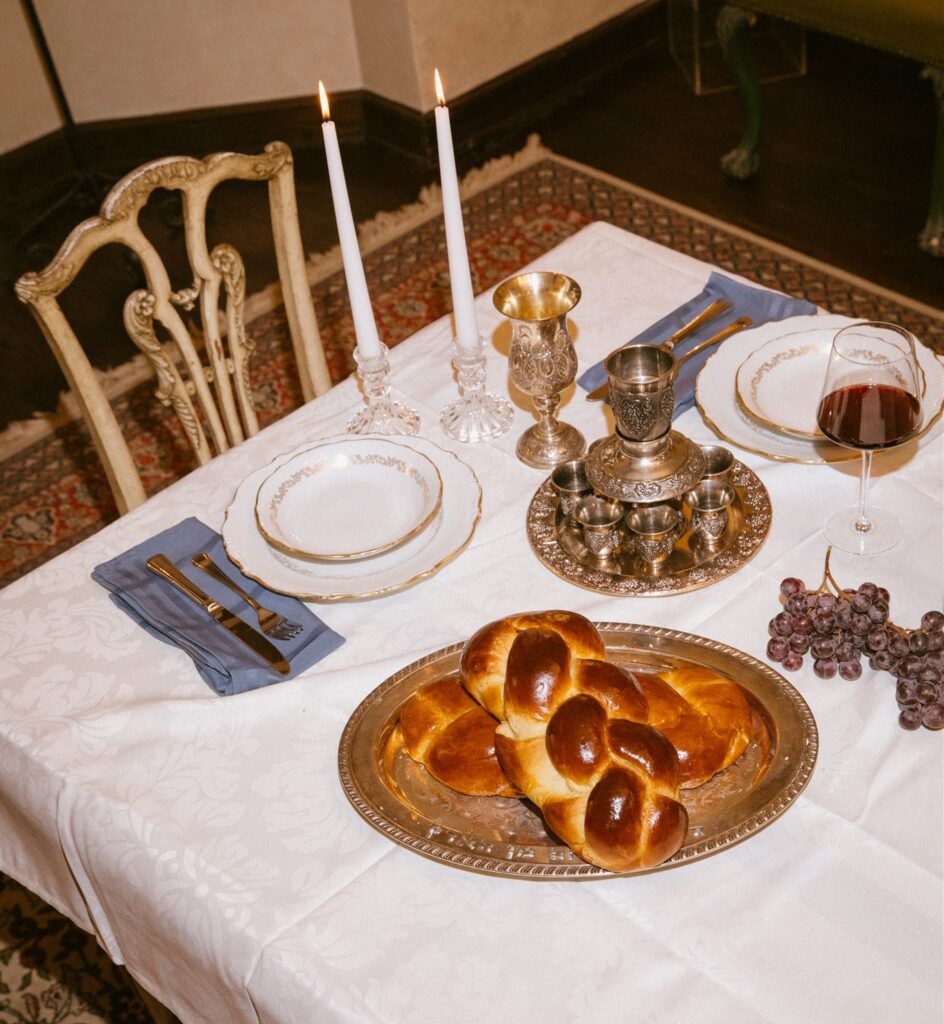
Braided makes 150 challahs every Thursday night, with deliveries set up for Fridays. At the moment, the company offers a Shabbat subscription starting at $18 weekly for a single loaf and $32 for a duo. Subscribers can choose between a classic challah and a weekly, rotating flavor. Each delivery comes with a “parashat of the week” inspiration card as well.
Attendees of the Chabad in the West Village are also entitled to a free challah on Fridays, thanks to the generosity of an anonymous sponsor who covers the cost of the loaves.
“The whole reason we started working with that Chabad is because there wasn’t good, fresh kosher challah downtown—it was all grocery store options,” Satnick explains. “This sponsor understands how much people in this community appreciate fresh, homemade challah, so he makes sure everyone can have one.”
In the summer, Satnick’s challahs are also available for purchase at the Sagaponack General Store. “In the summer, people tend to the leave the city and I wanted to make sure that the business was still growing,” she says. “I figured a lot of my customers go to the Hamptons so I connected with the Jewish woman who opened the Sagaponack General Store. She is a big supporter of Israel and now carries our challah over the summer.”
As for future plans, Satnick is hoping to find a bigger kitchen to work out of, the first step into expanding Braided’s presence and making it accessible to people outside of New York as well.
In addition to making it easier for people to access fresh, homemade challah each weekend, Satnick hopes the service will encourage those who might not regularly observe Shabbat to engage with the tradition, especially when a loaf is arriving at their door no matter what. In doing so, she’s found a way to share the warmth and connection of Shabbat with more people—a simple act that, at its core, reflects the essence of Judaism.