Get the latest food, drinks and things to do news directly to your inbox. Subscribe Now
This new exhibit in downtown NYC tells the story of a Jewish soccer player who survived the Holocaust

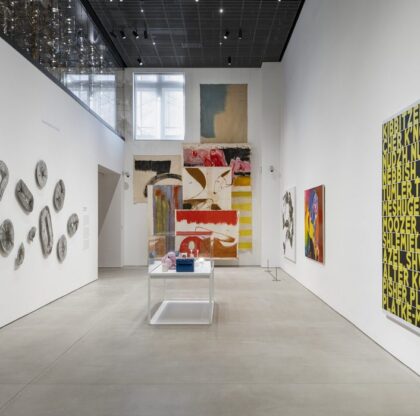
If you need a break from the pool or are looking for somewhere to escape a rainy New York afternoon, a new meaningful exhibit at the Museum of Jewish Heritage — A Living Memorial is more than worth your time.
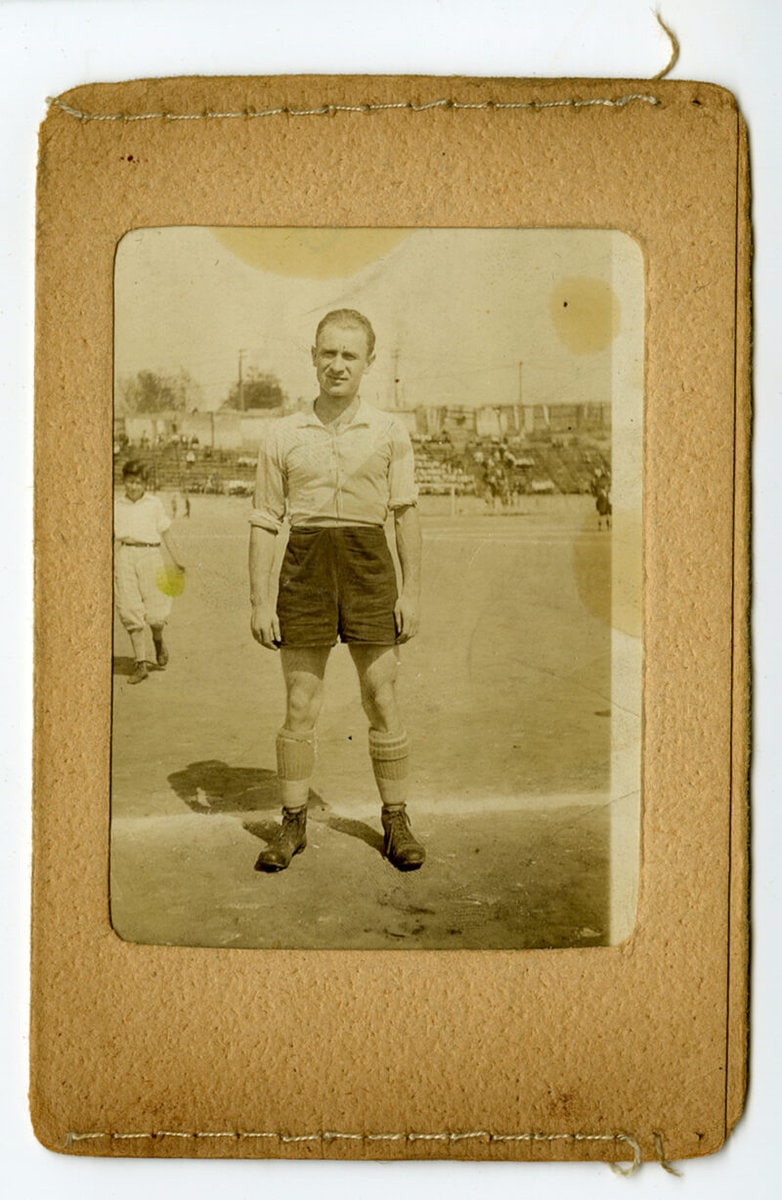
Now through July 31, the cultural institution at 36 Battery Place is presenting “Tell Our Boy That I Played Soccer Again,” a small but deeply moving exhibition about Paul Mahrer, a Jewish soccer star whose remarkable life spanned Olympic stadiums, American soccer fields and the Holocaust.
Born in Prague in 1900, Mahrer rose to prominence playing for DFC Prag, a historic football club in Prague, before earning a spot on the Czechoslovak national team, including an appearance at the 1924 Olympic Games. Two years later, he crossed the Atlantic to play professionally in the United States, first with the Brooklyn Wanderers and later with Hakoah All Stars, one of the country’s most celebrated Jewish teams. Over the course of his American career, he made well over 100 appearances before returning home to Czechoslovakia in the early 1930s, a few years before the Nazi regime started taking over Europe.
After the Nazi occupation, Mahrer was deported to the Theresienstadt ghetto, where he was separated from his wife and young son. Communication with loved ones was tightly controlled but the letters that Mahrer was able to send to his wife have become the focus of this new exhibit, including one that featured a line that gives the show its title: “We have enough. Tell our boy that I played soccer again and even played well and was successful. My beloved, just stay healthy and well. I love you. Kisses …”
Remarkably, Mahrer beat the odds that so many others at Theresienstadt did not: he survived, was reunited with his family after the war and eventually settled in the U.S., where he lived to 85 (he passed away in 1985).
The exhibit is part of a broader moment for soccer storytelling downtown this summer—Mercer Labs also has a World Cup-adjacent show up right now—but this one hits differently: it’s not really about the game but about what people carry with them and hold onto in the darkest of circumstances.
Tickets to the exhibit are available on the Museum of Jewish Heritage’s website right here.