Get the latest food, drinks and things to do news directly to your inbox. Subscribe Now
This new “pickles and babka” tour of the Lower East Side has gone viral

There’s a version of the Lower East Side that only exists if you know where to look: past the matcha bars and the vintage resellers, down a side street that hasn’t caught up with the rest of the neighborhood, where a woman in her mid-90s—a Holocaust survivor named Shaindel Schreiber—still works the counter at Moishe’s, what many locals refer to as the last kosher bakery left in the neighborhood. As the Forward reports, Mrs. Schreiber is still dispensing babka and has worked that counter long enough to remember when kosher bakeries dotted nearly every block of the neighborhood. Now, there’s one left, which has become the focus of one of the most popular new neighborhood tours in NYC, “pickles and babka.”
Run by Sammy Hopp, a 20-something with a knack for making Jewish deli history feel of-the-moment, “pickles and babka” has already run a couple of times, with more dates on the horizon.
Hopp started posting kosher food spots to Instagram under the handle @kosher.hopping back in 2024 and has since built it into a following north of 18,000 folks. Sometime this year, the account graduated from content to itinerary: a real, bookable, in-person walk through Jewish Williamsburg and the Lower East Side, with Hopp himself as guide.
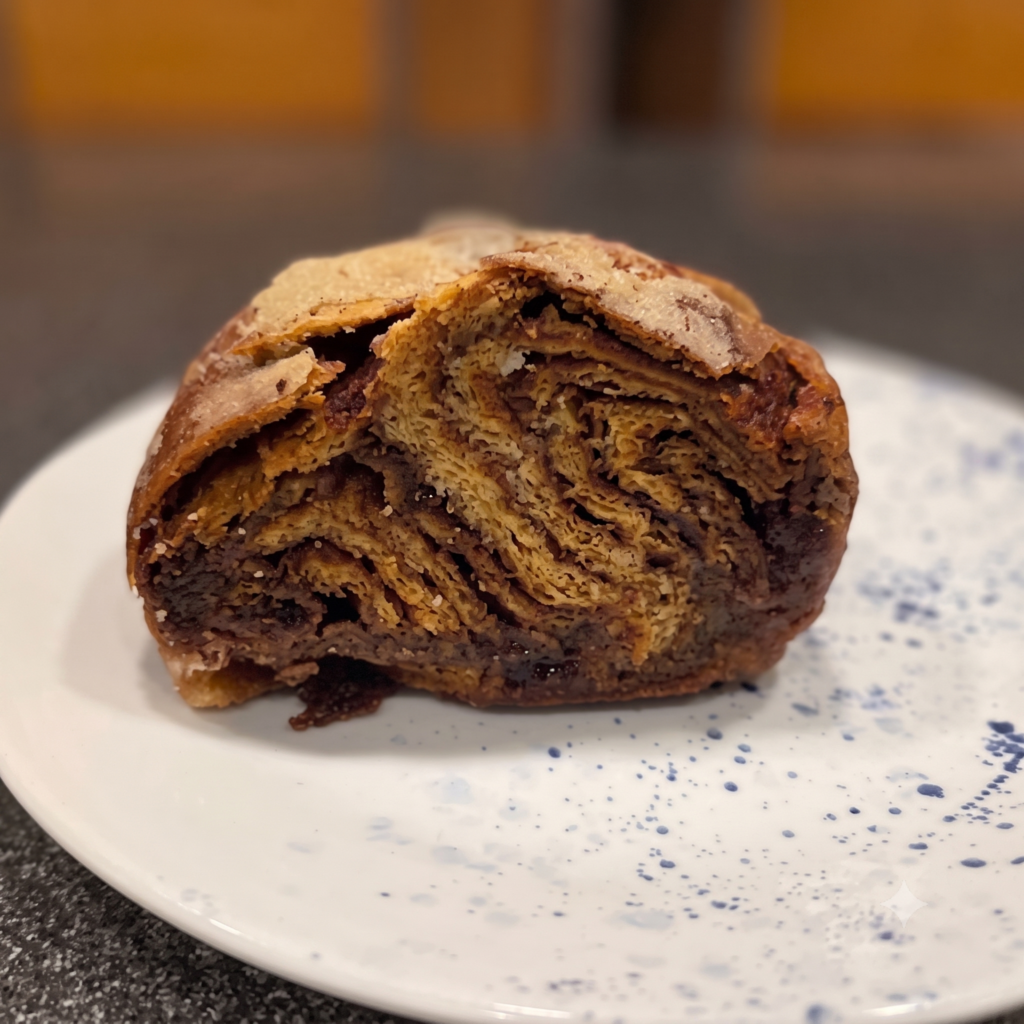
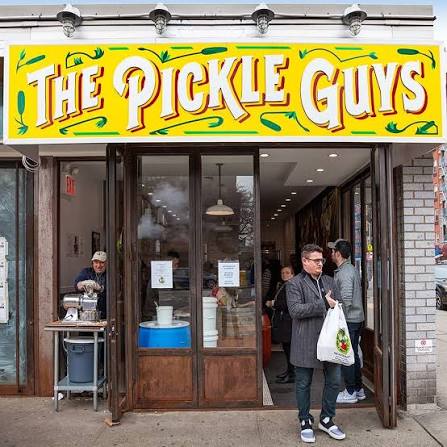
The route, at least as it ran this season, starts across the bridge at Sander’s Bakery in South Williamsburg, opened by a Holocaust survivor in 1959, then moves through Flaum’s appetizing shop, before crossing into Manhattan for Moishe’s babka and rye, a stop at Essex Street Market and a pilgrimage to The Pickle Guys, now the last pickle shop standing on a street that once had more than eighty vendors. Hopp is cagey about pricing but, given the fact that the last two tours were completely sold out and the food included in the activity, we imagine the cost to be akin to a brunch meal. Follow him on Instagram to catch the next date of the culinary affair.
According to Hopp, for example, the wooden pickle barrels got banned by the city’s Health Department back in the 1970s and vendors will tell you, unprompted, that the plastic ones just don’t taste the same. Clearly, the tour is less of a preserved diorama than a last, working outpost and Hopp’s gift is treating it just as such. He’s not telling us about how it used to be but about who is still here that’s worth meeting.
That’s likely why the tour is also spreading the way it is: it isn’t outsiders walking through a Jewish neighborhood but Jewish New Yorkers, many of them a generation or two removed from the pushcarts, joining in. In a city where the word “authentic” has become a marketing buzzword, “pickles and babka” feels like the real thing.