Get the latest food, drinks and things to do news directly to your inbox. Subscribe Now
Why celebrity chef Eyal Shani is betting big on kosher

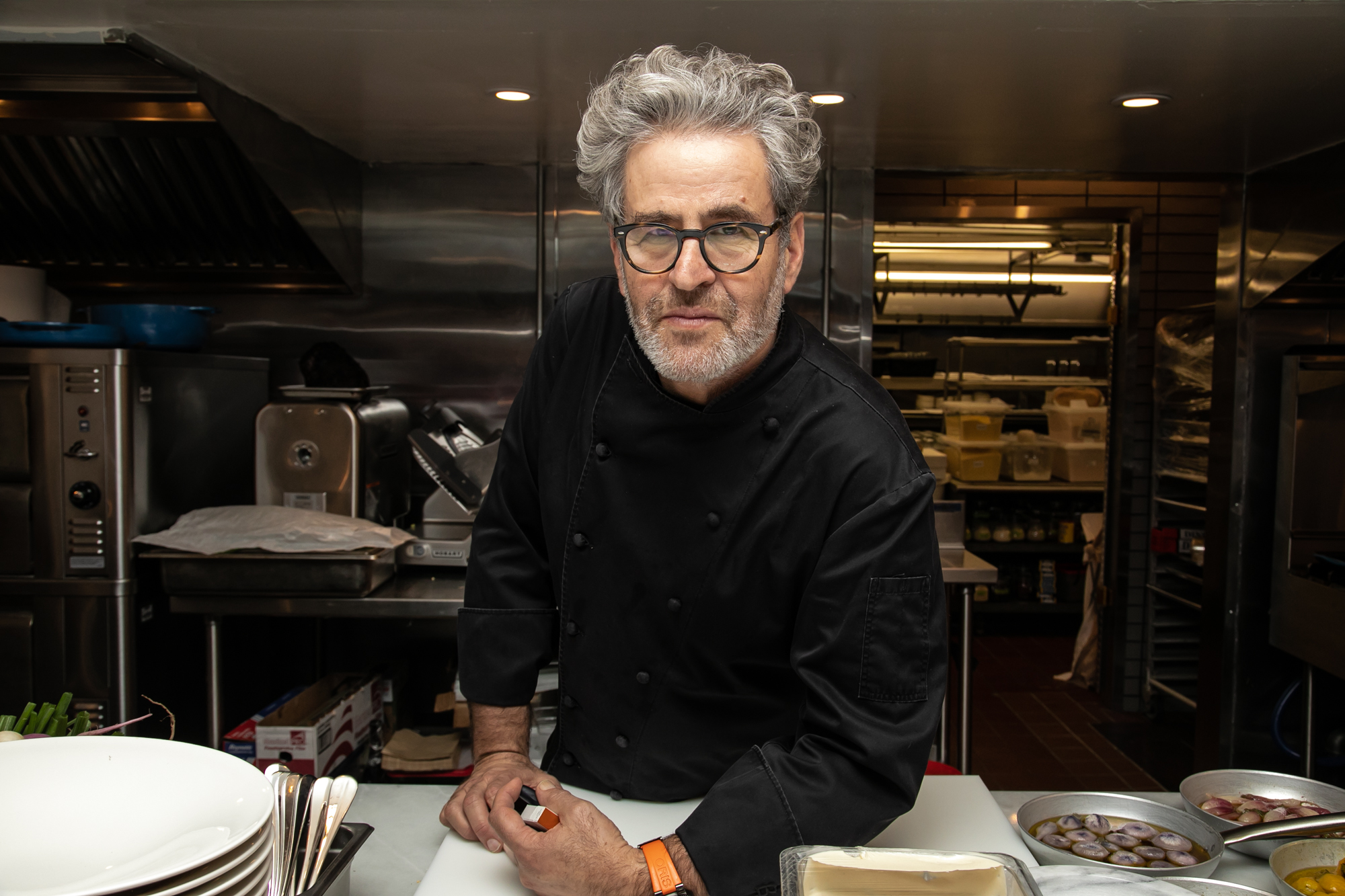
To watch the crowd outside of Malka in DUMBO on a busy Thursday night (which is to say, every Thursday night) is to understand that the chef behind the restaurant has embraced an idea many in the industry are only beginning to recognize: being kosher isn’t enough to define a restaurant’s appeal. The food has to be excellent, the room has to hum with energy and the experience should inspire the kind of demand that the best non-kosher restaurants spend their lives chasing.
Eyal Shani has cracked the formula, at least for New York. His two kosher Malka locations in NYC, one in Brooklyn and the other on the Upper West Side of Manhattan, are perpetually packed, as are the non-kosher restaurants he runs here and in cities around the world.
Talking with Shani on a recent weekday at one of those eateries—the non-kosher Miznon, inside Chelsea Market—one thing becomes obvious: his passion for food and his wish for everyone to love it as much as he does, kosher or not, is a real part of why it all works. He wants you to remember walking into a restaurant and how excellent it is.
A quick accounting of the empire is in order. Shani, born in Jerusalem in 1959 and now widely called the godfather of Israeli cuisine, opened his first restaurant, Oceanus, in his hometown in 1989 and closed it in 2000. In 2008 he and his partner Shahar Segal opened HaSalon, a high-end Tel Aviv room; in 2011 came the first Miznon, his pita-fueled democratization of that same fine-dining sensibility. From there, things got very big, with different types of eateries in cities all over the world. Shani now sits on a culinary empire of close to 50 destinations.
Here’s the interesting part: despite having cracked the code of kosher restaurants, only a small part of the ones that Shani has opened until now skew that way. Shani built his name and the bulk of his empire cooking food that observant diners couldn’t touch. Malka, the kosher project, grew out of the un-kosher one: a chef who’d spent decades feeding everyone else finally turning to ask why he wasn’t feeding his own.
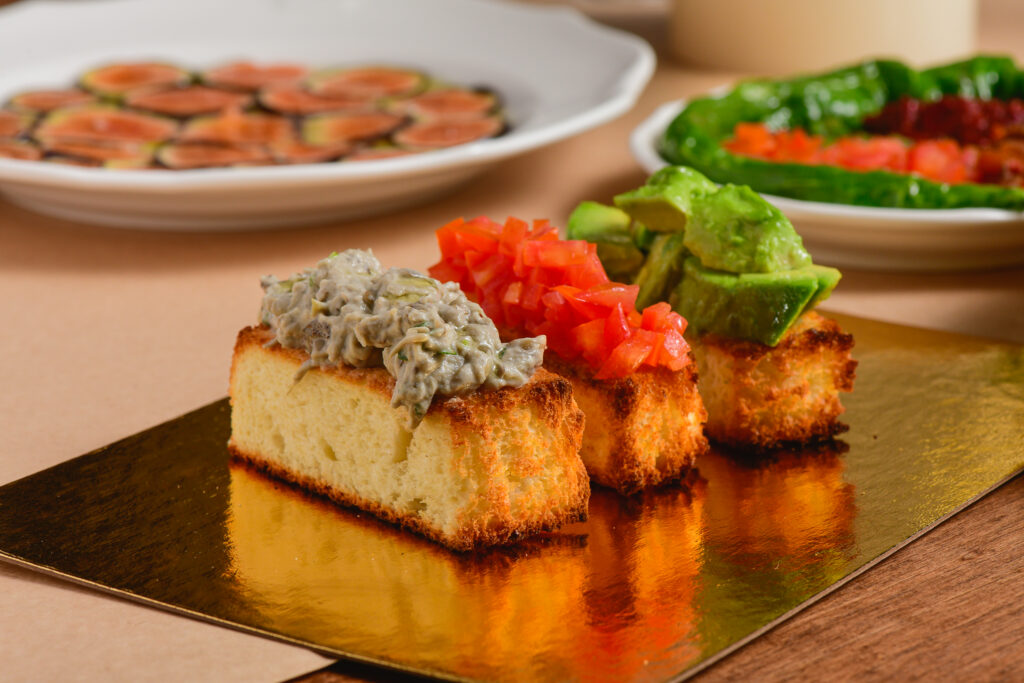
The answer starts in Israel, where the kosher question is less a niche than a mandate. By Shani’s estimate, 75 percent of the population eats only kosher, a figure that stopped him cold years ago.
“Suddenly I recognized that I’m making my food to a very narrow population,” he says. Shani considers himself a national chef, one of a small handful who, by his telling, invented the very idea of Israeli cuisine “from nothing.” With that title, he decided, came an obligation. “First of all, I’m cooking for my people,” he says. And most of his people keep kosher.
Malka in specific was built around two images. The first: Orthodox diners and Tel Aviv hipsters dancing together at the bar past midnight, which Shani swears happens every weekend. The second, at the original Malka in Israel, is a kitchen staffed by at-risk kids who might otherwise be headed for prison, young people he describes as overflowing with a volatile energy he’s learned to convert “into something very positive, like creation.” There were three when he started. Now there are nearly twenty.
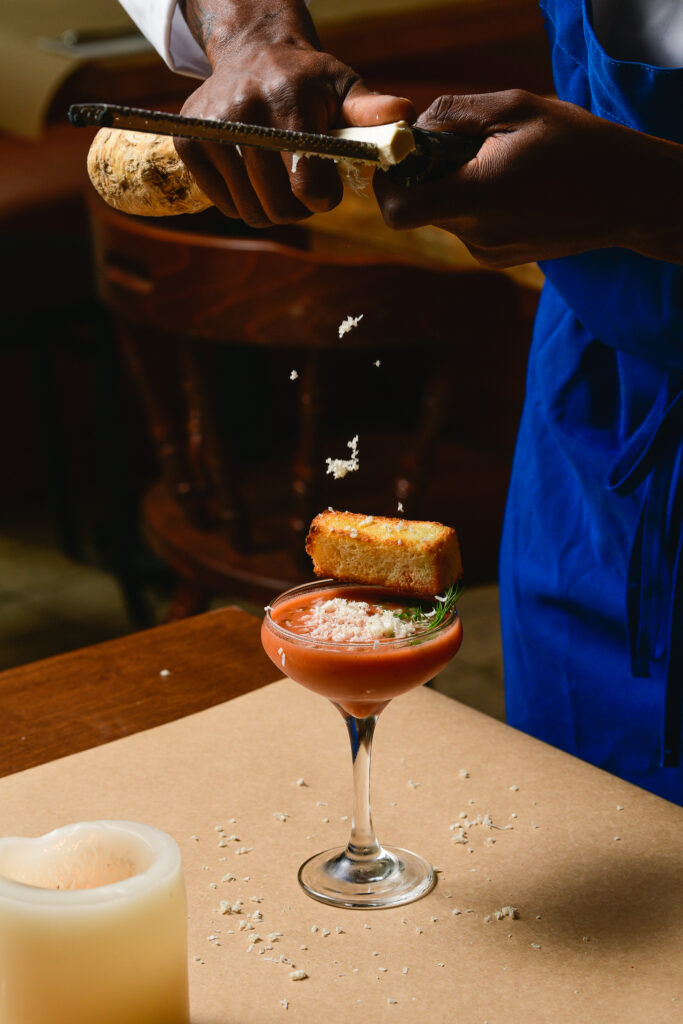
For diners who’ve been burned by the kosher-restaurant experience, Shani’s pitch is almost heretical: kashrut, he insists, costs the food nothing. “It’s culture, but it doesn’t make a big influence on the food,” he says. His kitchen runs on olive oil rather than butter, cream or meat, which leaves him, he says, with “almost no limitation.” Even dessert, the usual casualty of a dairy-free kosher kitchen, he claims comes out better for it.
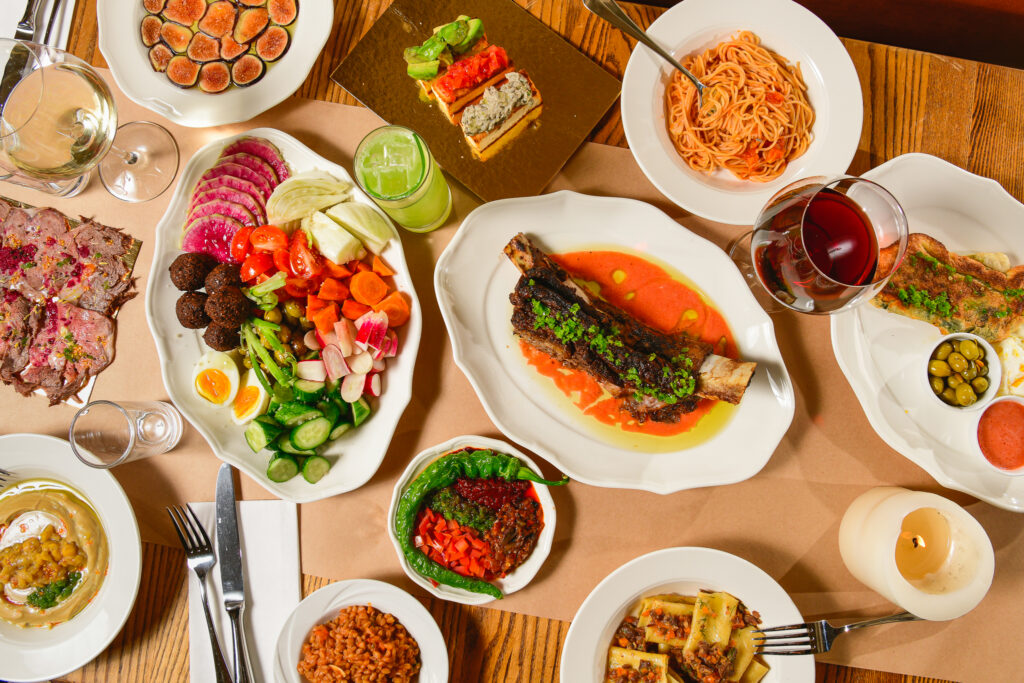
Then there is the matter of New York, which Shani talks about less like a market than a temperament. It is, to him, the one place where an idea can actually be built. “When you get an idea, you keep it out in the open and you begin to collect a lot of people that want to dream with you,” he says. “In the States, it’s the movement to the future.” That ease, he says, is the city’s gift.
And the kosher diners who once “stood outside of my restaurants and looked in like cats,” not able to eat at non-kosher establishments? They can finally sit down. “Now they can eat our food, because it’s kosher,” he says. There’s more to come: Miami, Los Angeles, possibly another New York address. We’ll be closing watching… from the inside.